What is EMD (Earnest Money Deposit)?
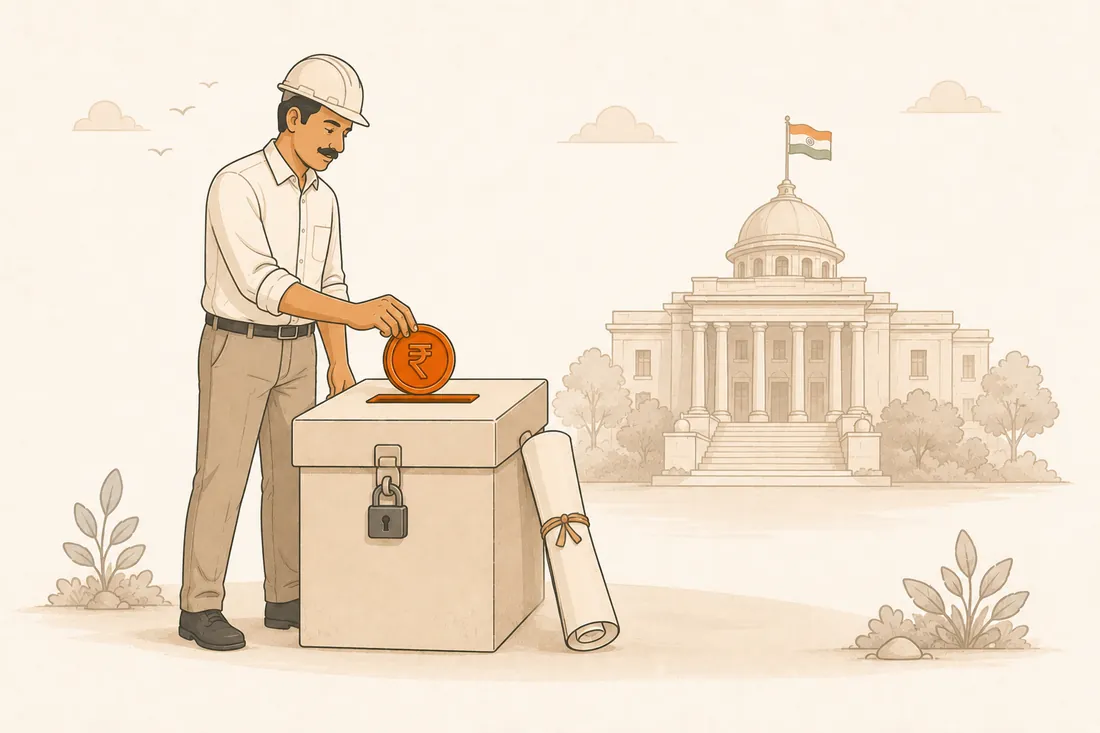
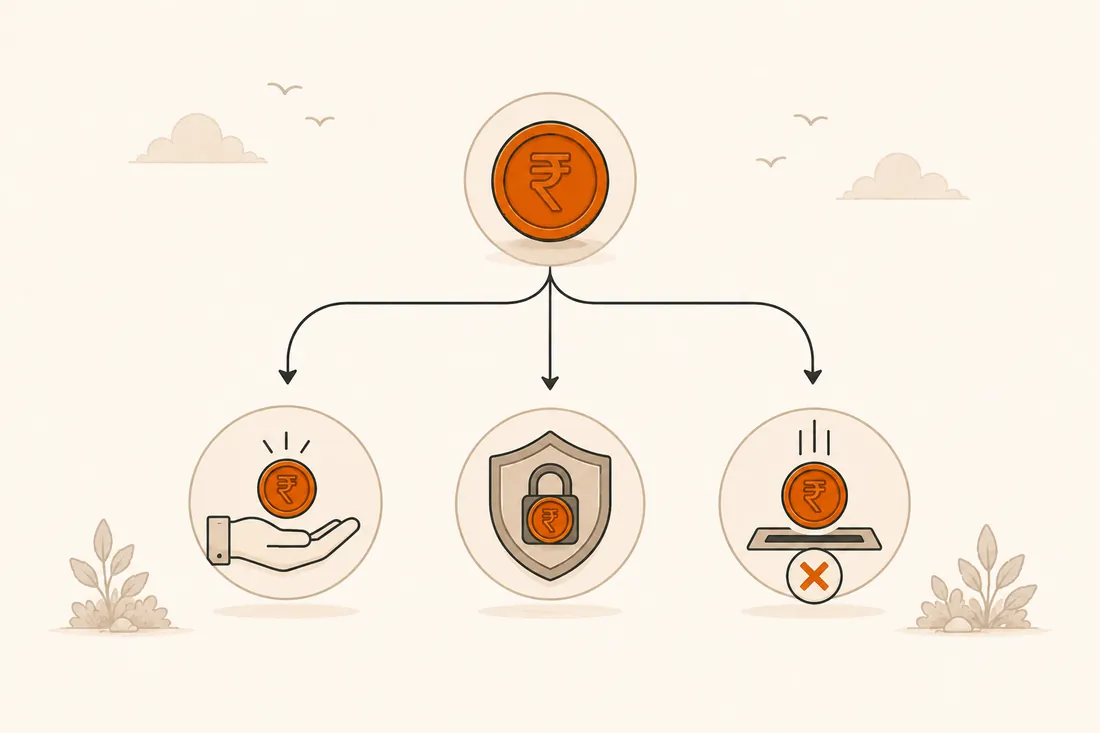
- Don't win? It's refunded automatically after evaluation. Win? It's adjusted into your security deposit.
- Back out after the deadline (withdraw or refuse the award) and it's forfeited.
- MSMEs & DPIIT startups are often exempt under GFR Rule 170 — and a surety bond can replace cash EMD.
EMD is the deposit that keeps tendering honest. By asking every bidder to put a small amount on the line, the buyer filters out frivolous bids and protects itself if a winner walks away. For you, it's almost always money you get back — as long as you play by the rules.
How much is the EMD?
The exact figure is set in the tender notice (NIT), but it's typically 1% to 5% of the estimated tender value:
| Estimated value | EMD @ 1% | EMD @ 2% |
|---|---|---|
| ₹10 lakh | ₹10,000 | ₹20,000 |
| ₹1 crore | ₹1,00,000 | ₹2,00,000 |
| ₹10 crore | ₹10,00,000 | ₹20,00,000 |
Always use the percentage and amount printed in the tender — never assume. Many portals also cap EMD for very large tenders.
What happens to your EMD?
There are exactly three outcomes — knowing them is what keeps your money safe:
How is EMD paid?
- Online — net-banking / NEFT / portal payment gateway is now standard on eProcure, GeM and most portals.
- Bank guarantee or demand draft — still accepted for larger EMDs where the tender allows.
- Surety bond — an increasingly accepted alternative that needs little collateral (see our surety bond guide).
EMD vs tender fee vs security deposit
Three different payments people mix up:
| When | Refundable? | |
|---|---|---|
| Tender fee | To access / download the tender | No (cost of the document) |
| EMD | With your bid | Yes — unless you default |
| Security / performance deposit | After you win | Released after successful completion |
MSME & startup exemption
Under GFR Rule 170, Micro & Small Enterprises (registered on Udyam/NSIC) and DPIIT-recognised startups are frequently exempt from EMD — effectively bidding for free. But the exemption only applies if the tender document says so, so always check the NIT and attach your registration.

Common mistakes
- Paying the wrong amount — always use the NIT's stated percentage.
- Paying after the deadline (or via a method the tender doesn't accept).
- Not claiming a valid MSME/startup exemption, or forgetting to attach the certificate.
- Withdrawing after the deadline and forfeiting the deposit.
Find tenders to bid on
70,000+ live tenders across 30+ portals — filter by sector, state and value, free.